
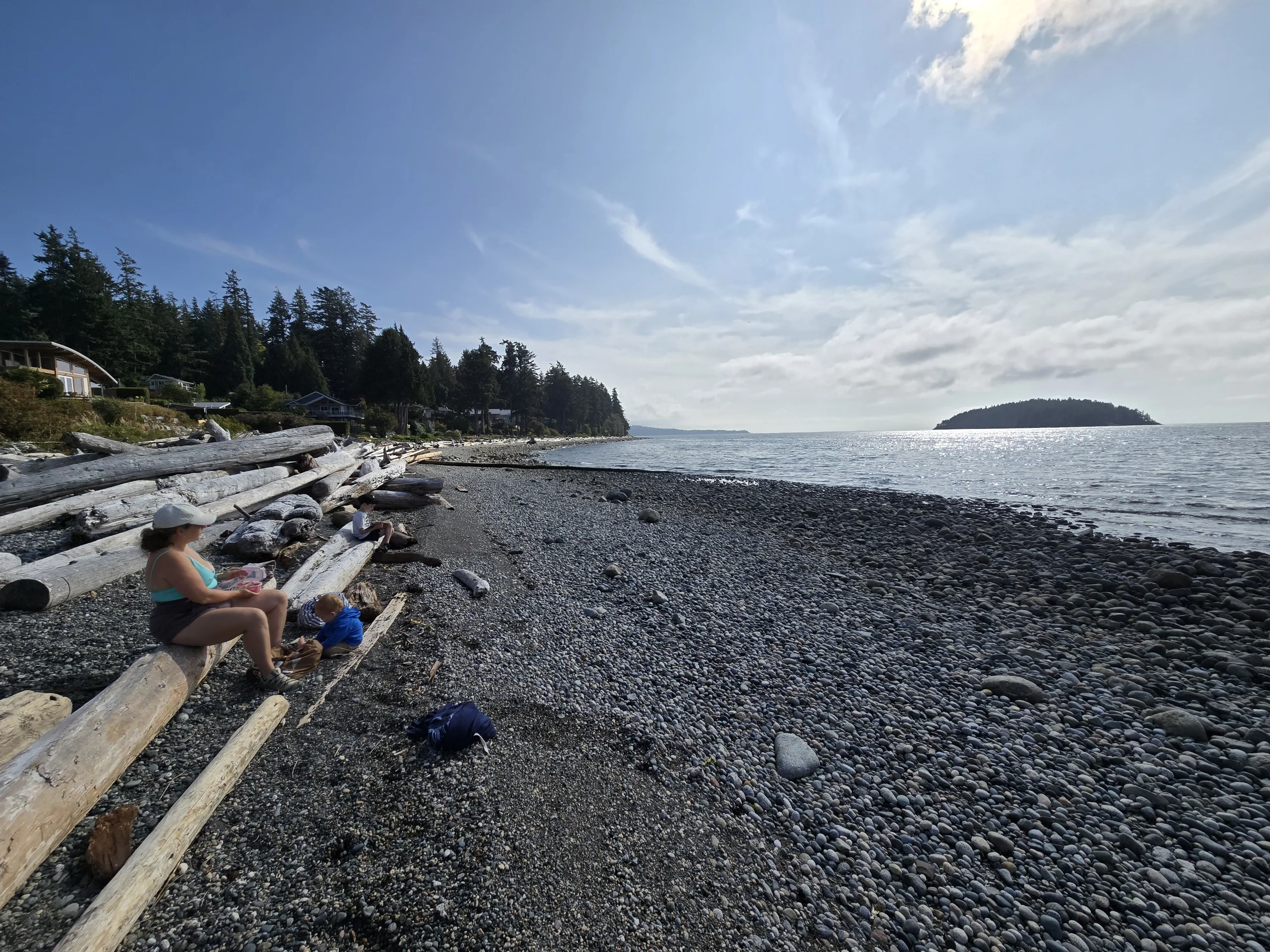
Buying Waterfront or Oceanview on the Sunshine Coast: What to Know
For a lot of people, the Sunshine Coast means one thing: the ocean. But "waterfront" and "oceanview" are very different things, and they come with very different price tags and responsibilities. Here is what to understand before you buy a home on or near the water.
Waterfront vs oceanview
- Waterfront means the property touches the water, usually with a shoreline or beach at the edge of the lot.
- Oceanview means you can see the water from the home, but you are not on the shore. These homes often cost far less than waterfront, and you still get the view.
- Across the road and beach access properties sit in between. Check exactly what the listing means, and whether a road or right-of-way separates the home from the water.
What waterfront costs on the Sunshine Coast
According to our MLS® feed for Sechelt, Gibsons, Roberts Creek and Halfmoon Bay, there are currently about 51 waterfront houses for sale. Their asking prices range from about $899,000 to nearly $7 million, with a median list price of around $2.1 million.
Over the past 12 months, our feed shows 38 waterfront houses sold in these areas, with a median sold price of about $1.81 million. The middle half of those sales fell between roughly $1.26 million and $1.96 million, with a handful well above or below that. These figures can change as more sales are reported, and the median moves around depending on which homes sell in a given month, so treat them as a rough guide, not a valuation. For comparison, the median sale price across all home types on the coast in October 2026 was around $759,000.
What to check before buying waterfront
- What you own and what you don't. In BC, the land below the natural boundary of the water is generally Crown land. Owning waterfront does not automatically give you the right to build or keep a dock, and docks and other structures can require provincial authorization. Ask your REALTOR® and lawyer or notary what, if anything, comes with the property.
- Shoreline stability. Bluffs, banks and shorelines can erode over time. A geotechnical assessment may be worth considering, especially for homes close to a bank or edge.
- Flood and storm exposure. Waterfront homes face wind, waves and high tides. Ask about flood construction levels, covenants on title and any past damage.
- Septic and well setbacks. Rules about where septic fields and wells can be located near water are stricter. See our guide to wells, septic and propane.
- Access to the water. Is there a safe way down to the beach? Steep stairs can be expensive to maintain, and can limit who can use the property.
- Insurance. Ask for a quote before you commit, because waterfront properties can be harder or more costly to insure.
- Orientation. Which way does the home face? Sun, wind and the direction of the view all affect how you will live there.
- Maintenance. Salt air, moisture and sun are tough on decks, siding and windows. Ask about the age and condition of exterior components.
Oceanview homes: the value option
If waterfront is out of reach, an oceanview home can give you much of the lifestyle for less. Check how permanent the view is. Trees can grow and neighbours can build, so ask about the view's long-term protection and what lies between the home and the water. Davis Bay, the slopes of Sechelt and West Sechelt, and parts of Gibsons and Halfmoon Bay all have homes with ocean views, and each has its own page: Gibsons, Sechelt, Davis Bay, West Sechelt and Halfmoon Bay.
Work with someone who knows the coast
Waterfront buying has more moving parts than a typical purchase. Get in touch and we will help you compare properties, ask the right questions and line up the right inspections. This post is a general guide and not legal, financial or technical advice.